
On “Anjaan”: Shaadi Ki Baad
Shaadi Ki Baad
On "anjaan" directed by Hira Tariq
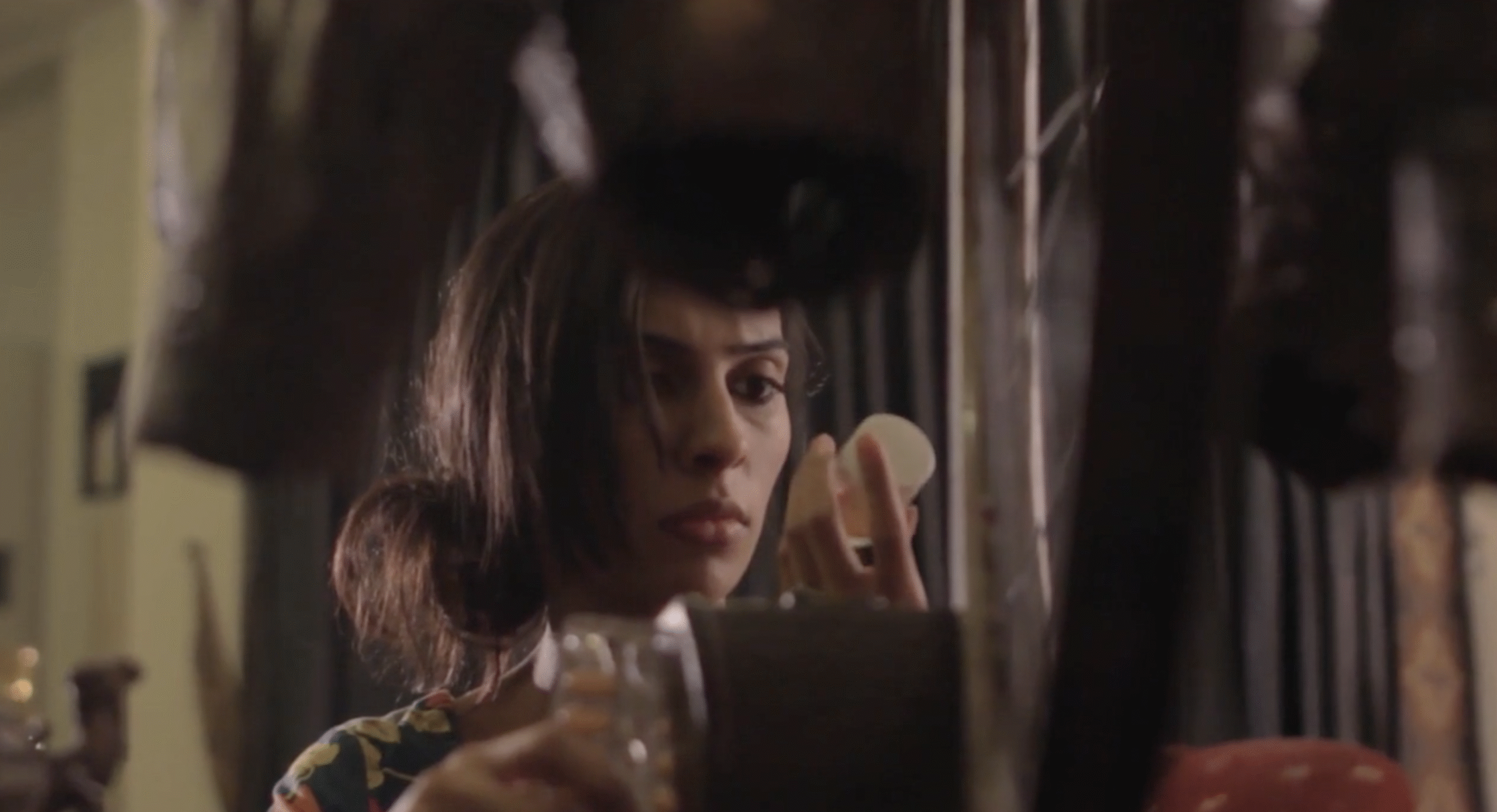
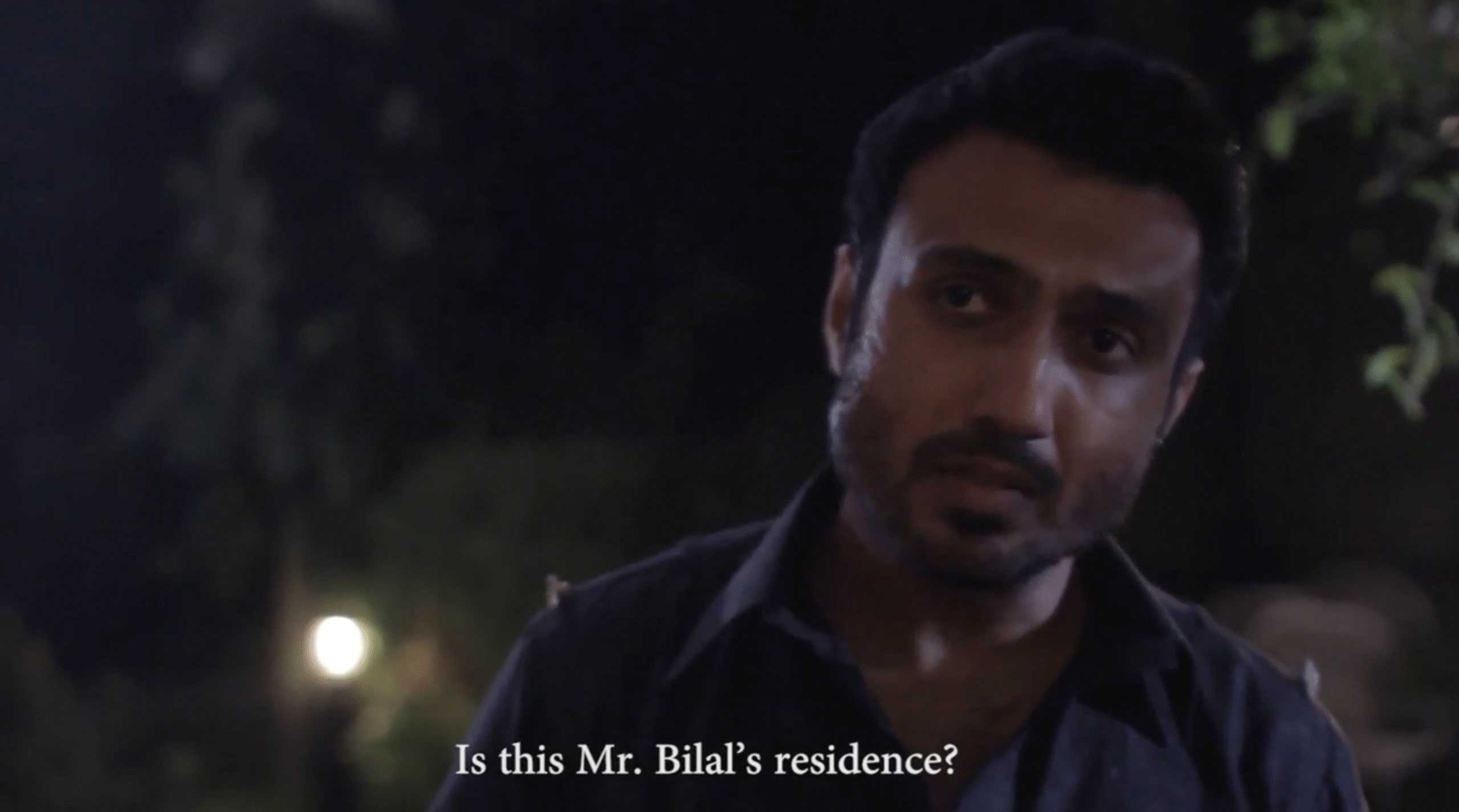
Anjaan is a 2015 short film written and directed by Hira Tariq on the interaction between a young couple where the wife entertains her husband’s amnesic episode in hope that she can bring him to the present. During the episodes of this nature, the husband, Bilal, enacts the incidents perhaps resulting from having witnessed a car accident and perhaps the death of his mother as a child. As a policeman, he arrives at his home and tells his Wife (an unnamed character) that her husband has died in a crash. The film implies that Bilal may have been a policeman and has had to retire, but this episode shows him as in active duty where his Wife receives him as such. The information does not become clear until the end of the film, where we also learn the Wife became aware of Bilal’s condition on her wedding night.
It gives pause so as to wonder why the condition was not made known prior to the wedding.
It is possible the recollection only happens at night, which is when Bilal had the accident. His memory loss seems to persist in the morning, as he seems confused to have woken up in his own bed. Upon seeing a photograph of him and his Wife, he shows remorse, suggesting that his long term memory resurfaced.
Perhaps this context clue could have helped at night as well. Perhaps it would have still been a struggle. So to make the most of the situation, the Wife tries to find the humor of her circumstance. She drops flirtatious hints, which only to her, serve as double entendre. The mention of seeing another “unknown corpse” indicates that she has played along with the scenario many times prior, taking it as far as to take the act to actually leaving the house and visiting a morgue. Amusing on the first watch and humorous on the second, the film manages to balance either of these experiences with the somber tone of how limited their life is.

A 2004 American film, 50 First Dates, a comedy starring Adam Sandler and Drew Barrymore, bears some similarities. Both films’ titles acknowledge the effect of one of the partner’s memory loss on the relationship. In 50 First Dates, Lucy has her long-term memory, but when she meets Henry, she only experiences him as if they just met. In Anjaan, the husband does not recognize his Wife, whom he approaches to report that her husband has passed. Both films have characters who experienced a crash which brought on the memory loss, but neither remember the event itself.
A key difference is that in 50 First Dates, Henry catches on by the second day of meeting Lucy that something is off. As indicated in the title, this information is revealed in the “dating” stage. Anjaan, a film made in Pakistan, portrays this condition as new information in the early stages of marriage. Shown in an undated flashback, the Wife speaks to a psychiatrist who delivers information on the nature of the husband’s condition and the state of the couple’s relationship. The psychiatrsit confirms that the episode, until that point, has only happened once in the year. He also says that the Wife is still in the early stage of the relationship (not the marriage) and they were lucky the problem was “diagnosed early,” which does make the audience wonder: is it the relationship which has provoked the condition? Was the onset of the condition simply correlated with the start of his marriage? Or, is it possible the information was known by the family, and withheld from her?
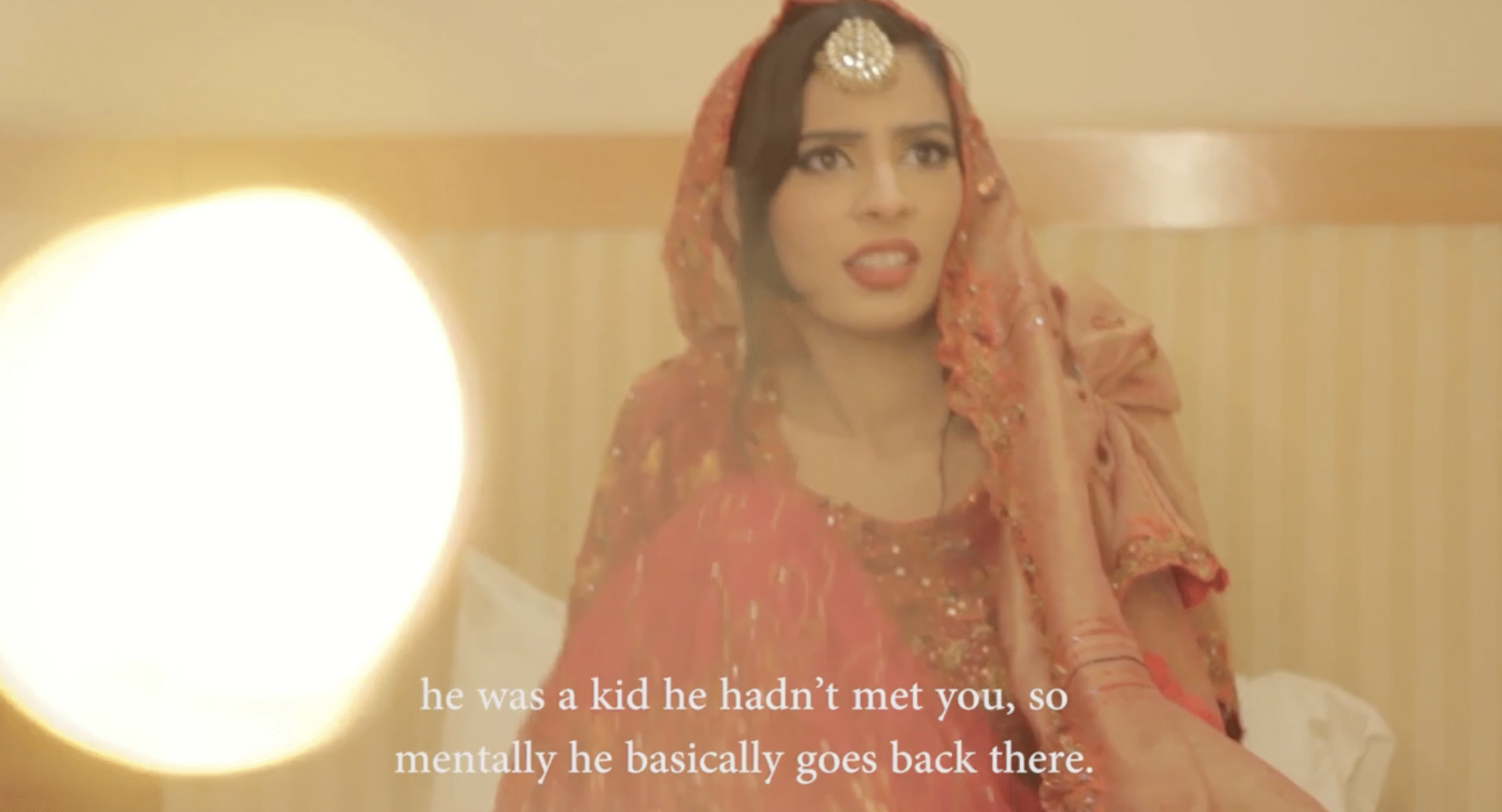
Dating happens in Pakistan. Surely couples meet before marriage during the day under watchful eyes of family members as well as at night and without outside supervision. But if the couple never met at night, this could mean that there was some time-related restriction to meeting at night, even if it were before having begun a relationship. Of course this speculation is relevant to circumstantial disclosure, not self disclosure.
From Bilal’s response after having woken up (remorse, maybe even embarrassment), it seems evident that he is at least acutely aware of the pattern of his behaviors. If this were the case of arranged marriage, it is possible the parents may have categorized the condition as a “shaadi ki baad” (after marriage) matter. In a subtle way, Anjaan hints to the stigma of mental health and the way in which sensitive information is only disclosed when families are in a compromised position (bound by marriage). But the “permission” to divorce is given by the psychiatrist, who speaks more along the lines of social pressure than legal measures. Instead of stating the husband’s condition and the anger resulting from it is grounds for divorce, the psychiatrist mentions that the Wife is still young. The psychiatrist also mentions that the lack of children works in her benefit, which could be a factor legally as well as socially. There is still encouragement to continue the relationship. By telling her to be gentle with him and to attempt to remind Bilal of who his Wife is, the psychiatrist effectively composes and condones a lifelong marriage where this farce has been experimented at different lengths and has since developed a full structure which culminates in sneaking sleeping pills into her husband’s Coke so he doesn’t leave the house.
Having children seems off the table for the couple in Anjaan. But 50 First Dates takes a different approach. Harry has a child with Lucy, and reminds Lucy of what her life has since become through a morning video cassette she is prompted to play (in which she is told she produced a child). Perhaps Anjaan has a more realistic take on the matter where it appears that children are not in the couple’s plan. In fact, the only plan is to repeat life as they experience it. Anjaan does its best to show that love is the reason the couple has stayed together. But her options were not presented to her evenly. That she has met with this advisor to discuss her husband’s condition alone may imply that she seeks her own take on the matter, particularly due to the Wife’s removing and setting her wedding her ring. Sure, it is common to have doubts and that the extent of the fantasy of leaving may or may not indicate one’s desire to exit the relationship. It is possible she was only suggested a method for giving the relationship another chance, but this method has become habit. It is up to the viewer to ask if this is what a relationship should look like and if it should involve having children. On the matter of whether to relationship should continue, it is essential to know what factors were involved in that pathway to making the decision. Love may have been at the heart of any decision the Wife would have chosen.

It also seems important to consider why other options would not have been considered. The Wife disclosed that the episodes have changed to become more violent in nature, she must have also mentioned that her husband took her to see a corpse as she held her patience for his memory to return. Spiking medication into Bilal’s drink is only implied as a last resort to trap the husband in the house, not as part of a daily regiment to manage his emotions (especially if the episodes are brought on by stress). A mental health professional could give better insight, but if you’re in the camp of “this does not work,” it is only reasonable to think there are other ways.
Anjaan made me think of the stories of women who have had to respond to concerning news about their spouse on their wedding night. The woman is tasked to weigh if the information in relation to her circumstances. Should she had known prior to the marriage, she may have accepted it. If she wouldn’t have accepted it then and she doesn’t now, she has to then consider her feelings about divorce, which is not as easy for women in a society where men can say “talaq” three times and break the marriage on the spot.


Leave a comment